
In today’s dynamic world, the life coaching industry is flourishing. More individuals seek guidance to improve various aspects of their lives, from career advancement to personal development. As the demand for life coaches grows, so does the importance of the qualifications these professionals hold. One of the most significant decisions aspiring life coaches face is whether to pursue a Life Coaching Certification or enter the field without one. This decision shapes not only their career trajectory but also their ability to effectively serve their clients. In this comprehensive article, we will explore the nuanced differences between certified and non-certified coaching, offering an in-depth analysis to help you make an informed decision about your coaching path.
What Is Life Coaching Certification?
Life Coaching Certification is more than just a piece of paper; it is a formal recognition that a coach has completed a rigorous program designed to impart essential coaching skills, methodologies, and ethical standards. These certification programs are typically overseen by professional coaching organizations like the International Coach Federation (ICF), the Center for Credentialing & Education (CCE), or other reputable bodies. The certification process ensures that a coach has met specific criteria and is well-equipped to guide clients through their personal and professional challenges.
The Importance of Accreditation
Accreditation plays a pivotal role in the credibility of a Life Coaching Certification. Accredited programs are recognized for adhering to high standards, which are often aligned with industry best practices. The accreditation process involves a thorough review of the program’s curriculum, training methods, and faculty qualifications. This ensures that the coaches who graduate from these programs possess the necessary skills to deliver effective coaching services.
How Accreditation Impacts Your Career
Accreditation is not just a formality; it significantly impacts your career as a life coach. A certified coach with accreditation from a recognized body is more likely to be trusted by potential clients. This trust can translate into a more robust client base, higher retention rates, and a steady stream of referrals. Moreover, being part of an accredited program often provides coaches with access to ongoing professional development opportunities, further enhancing their skills and keeping them updated on the latest industry trends.
Accreditation also offers coaches a competitive edge in the market. In a field where many claim to be experts, having a recognized certification sets you apart and signals to clients that you have undergone extensive training. This can be particularly beneficial in niche markets where clients are seeking highly specialized coaching services.
Certified Coaching vs. Non-Certified Coaching: Core Differences
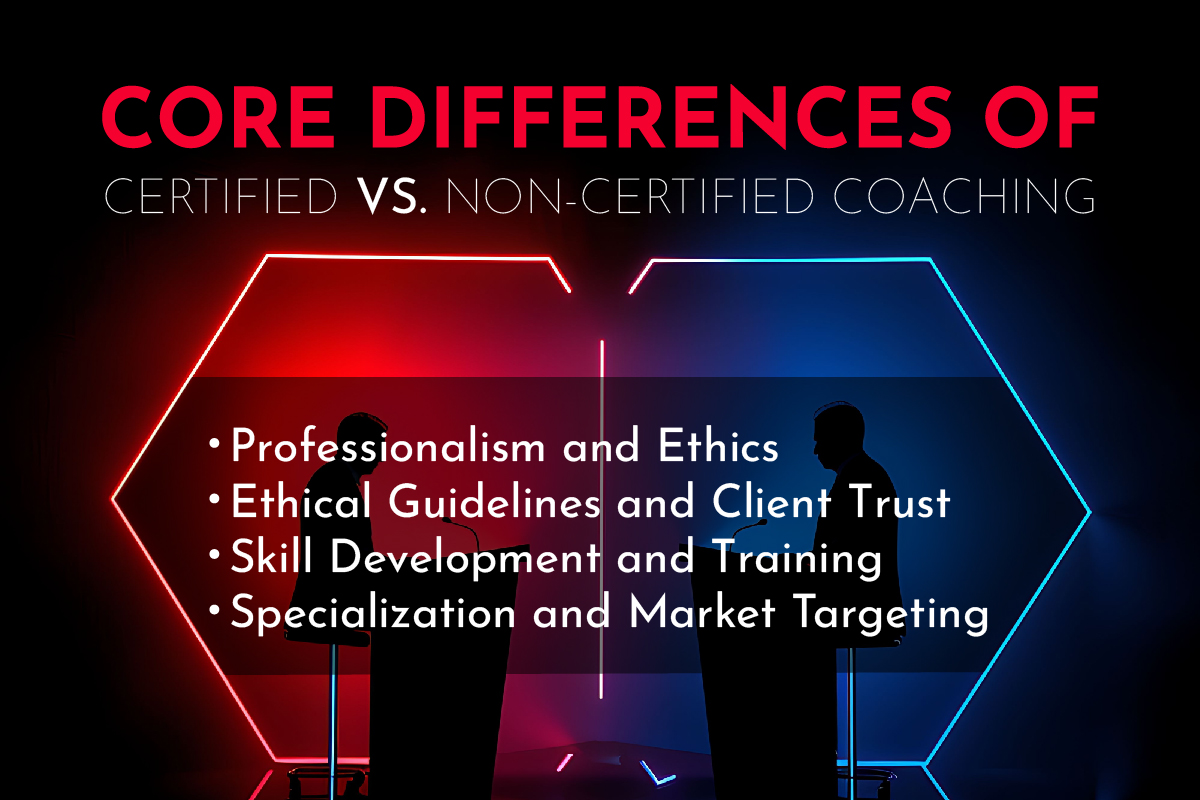
Understanding the core differences between certified and non-certified coaching is essential for anyone considering a career in life coaching. These differences go beyond just the presence or absence of a certification and delve into the quality, professionalism, and outcomes associated with each approach.
Professionalism and Ethics
Professionalism and ethics are the cornerstones of effective coaching. Certified coaches are trained to maintain high standards in both areas, ensuring that their practices align with the best interests of their clients. This training often includes modules on confidentiality, boundary setting, and conflict resolution—skills that are crucial for building a trustworthy and effective coaching practice.
Ethical Guidelines and Client Trust
Ethical guidelines are more than just a set of rules; they are a framework that guides coaches in making decisions that prioritize the well-being of their clients. For example, certified coaches are trained to recognize when a client’s issues are beyond the scope of coaching and when it is appropriate to refer them to a mental health professional. This ability to navigate complex client situations ethically builds trust and fosters a positive coaching relationship.
Trust is the foundation of any successful coaching relationship. Clients need to feel confident that their coach has their best interests at heart and is equipped to handle sensitive issues with care. Certified coaches, having been trained in ethical decision-making, are more likely to earn and maintain this trust, leading to more effective coaching outcomes.
Skill Development and Training
Life Coaching Certification programs are designed to provide comprehensive training that covers a wide range of coaching skills. These programs often include a mix of theoretical knowledge and practical application, allowing coaches to develop the skills necessary to guide clients through various challenges.
The Role of Training in Coaching Success
Training is a critical factor in the success of a coach. Certified coaches undergo extensive training that equips them with evidence-based strategies and tools. These tools are essential for helping clients set realistic goals, overcome obstacles, and achieve lasting change. Training also helps coaches develop the ability to listen actively, ask powerful questions, and provide constructive feedback—skills that are crucial for effective coaching.
Non-certified coaches, on the other hand, may lack this formal training, which can affect the quality of their coaching. Without a structured learning environment, non-certified coaches may struggle to develop these critical skills, leading to less effective coaching sessions and potentially lower client satisfaction.
In addition to core coaching skills, certified programs often include training in specialized areas such as executive coaching, health coaching, or relationship coaching. This specialization allows coaches to target specific markets and provide tailored services that meet the unique needs of their clients.

The Benefits of Life Coaching Certification
Choosing to pursue a Life Coaching Certification offers numerous benefits that can enhance your career and improve your clients’ outcomes. These benefits extend beyond the immediate advantages of certification and have long-term implications for your professional development and success.
Increased Credibility and Client Confidence
One of the most significant benefits of Life Coaching Certification is the increased credibility it provides. Certification acts as a validation of your skills and knowledge, signaling to potential clients that you are a qualified professional. This credibility is crucial in an industry where anyone can claim to be a coach, and it can be a deciding factor for clients when choosing a coach.
Building a Strong Client Base
Credibility directly influences your ability to build a strong client base. Clients are more likely to commit to a coach they perceive as credible and competent. This commitment often leads to better coaching outcomes, as clients are more engaged in the process and more likely to follow through on the actions agreed upon during sessions. A strong client base, built on trust and credibility, is essential for the long-term success of any coaching practice.
Moreover, certified coaches often find it easier to charge premium rates for their services. Clients are generally willing to pay more for a coach who has demonstrated their expertise through certification. This ability to command higher fees can lead to greater financial stability and the opportunity to invest in further professional development.
Access to Professional Networks
Certified coaches often gain access to exclusive professional networks and resources that non-certified coaches may not have. These networks can provide ongoing support, education, and opportunities for collaboration, all of which are crucial for professional growth.
Networking and Continuous Learning
Networking with other certified coaches and industry professionals opens doors to collaborations, referrals, and advanced learning opportunities. These networks often host conferences, workshops, and webinars that keep coaches updated on the latest industry trends and best practices. Continuous learning is vital in the ever-evolving field of life coaching, and being part of a professional network ensures that you remain at the forefront of the industry.
Professional networks also provide a platform for sharing knowledge and experiences. By engaging with other coaches, you can learn new techniques, gain insights into different coaching approaches, and receive feedback on your methods. This exchange of ideas fosters professional growth and helps you refine your coaching practice.
The Drawbacks of Non-Certified Coaching
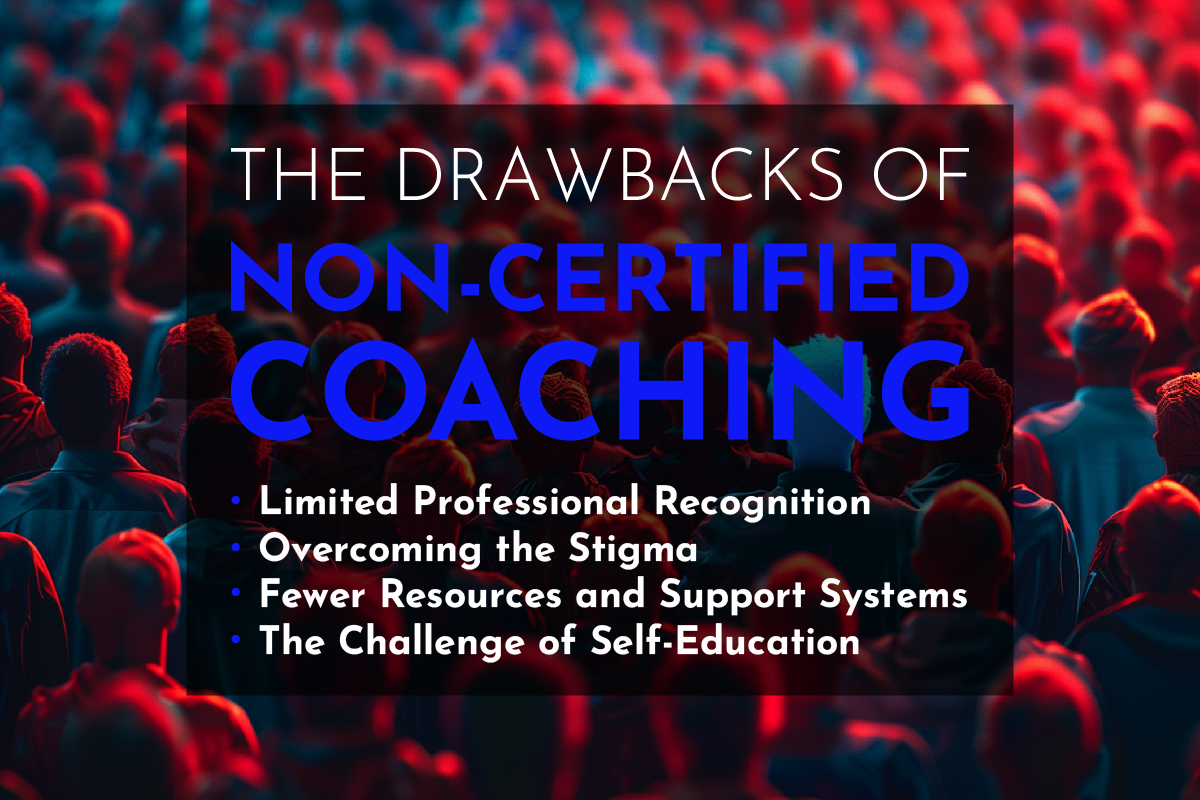
While non-certified coaching can be a viable option for some, it comes with certain drawbacks that are important to consider. These drawbacks can affect your ability to attract clients, grow your practice, and achieve long-term success in the coaching industry.
Limited Professional Recognition
One of the most significant challenges non-certified coaches face is limited professional recognition. Without a Life Coaching Certification, it can be challenging to gain the trust and recognition needed to build a successful coaching practice. This lack of recognition can affect your ability to attract clients, command competitive rates, and establish yourself as a credible professional in the field.
Overcoming the Stigma
Non-certified coaches often face the stigma of being less qualified or less professional than their certified counterparts. Overcoming this stigma requires extra effort in proving your competence and building a reputation from the ground up. This process can be time-consuming and challenging, especially in a competitive market where clients have many options to choose from.
To overcome this stigma, non-certified coaches must focus on building a strong personal brand, showcasing their expertise through client testimonials, and consistently delivering high-quality coaching services. While it is possible to succeed as a non-certified coach, it requires dedication, resilience, and a strategic approach to building your practice.
Fewer Resources and Support Systems
Non-certified coaches may not have access to the same resources and support systems as certified coaches. This limitation can hinder your ability to stay updated with the latest coaching techniques, industry standards, and best practices.
The Challenge of Self-Education
Without formal training, non-certified coaches must rely on self-education to develop their skills and knowledge. While self-education can be valuable, it is often less structured and comprehensive than formal certification programs. This lack of structure can lead to gaps in knowledge and skills, which can impact the quality of coaching provided.
Moreover, self-education requires a significant investment of time and effort. Non-certified coaches must be proactive in seeking out learning opportunities, attending workshops, reading industry literature, and participating in peer discussions. While these efforts can help you stay informed, they may not provide the same level of depth and rigor as a certified training program.

Financial Considerations: Is Certification Worth the Investment?
One of the most significant factors in deciding whether to pursue Life Coaching Certification is the financial investment. Certification programs can be costly, and it’s essential to weigh the potential return on investment (ROI) against the upfront costs.
The Cost of Certification
Life Coaching Certification programs can range from a few thousand to several thousand dollars, depending on the level of accreditation, the program’s duration, and the additional resources provided. This cost typically includes tuition, study materials, and sometimes travel expenses for in-person training.
ROI of Life Coaching Certification
While the initial investment in certification may be substantial, the ROI can be significant. Certified coaches often command higher fees, attract more clients, and have better long-term career prospects. These factors can offset the initial costs and lead to greater financial stability over time.
Certification can also open doors to additional revenue streams, such as offering specialized coaching services, conducting workshops, or speaking at industry events. These opportunities can further enhance your earning potential and provide a more diversified income base.
The Cost of Not Getting Certified
On the other hand, non-certified coaches may save on the upfront costs of certification but may struggle to build a thriving practice. The lack of certification can lead to lower client rates, fewer opportunities, and a slower growth trajectory, which can impact long-term earnings.
Balancing Short-Term Savings with Long-Term Gains
It’s essential to balance the short-term savings of skipping certification with the potential long-term gains of investing in it. For many coaches, the benefits of certification far outweigh the costs, leading to a more successful and sustainable career. However, if financial constraints are a significant concern, it’s worth exploring alternative funding options, such as scholarships, payment plans, or employer-sponsored programs, to make certification more accessible.
Client Perception: How Certification Influences Trust
Client perception is a critical factor in the success of any coaching practice. Understanding how certification influences trust can help you make an informed decision about your career path and your approach to attracting and retaining clients.
The Role of Certification in Client Selection
Clients often use certification as a criterion when selecting a coach. A certified coach is perceived as more credible, knowledgeable, and professional, which can make a significant difference in attracting clients, especially in a competitive market.
Building Trust from the First Interaction
From the initial consultation, a certified coach has the advantage of building trust quickly. Clients feel more at ease knowing their coach has undergone rigorous training and adheres to a professional code of ethics. This initial trust can lead to a more productive coaching relationship, where clients are more willing to open up, share their challenges, and commit to the coaching process.
Certification also provides a framework for accountability. Certified coaches are often required to maintain their credentials through continuing education and regular supervision. This commitment to ongoing professional development reassures clients that their coach is dedicated to maintaining high standards of practice.
Non-Certified Coaching: Building Trust Without a Certification
While it is possible for non-certified coaches to build trust with clients, it often requires more time, effort, and strategic planning. Non-certified coaches must rely heavily on their experience, testimonials, and personal branding to establish credibility and attract clients.
Strategies for Non-Certified Coaches
Non-certified coaches can build trust by focusing on client results, continuing education, and professional development. By consistently delivering value and demonstrating expertise, non-certified coaches can overcome the initial trust barrier and build a strong reputation in their niche.
Another strategy for non-certified coaches is to offer specialized services that cater to specific client needs. By becoming an expert in a particular area of coaching, you can differentiate yourself from the competition and build a loyal client base. Additionally, leveraging client testimonials and case studies can help showcase your success stories and reinforce your credibility.
Career Longevity: The Impact of Certification on Long-Term Success
Career longevity is a critical consideration for anyone entering the life coaching industry. The decision to pursue certification or remain non-certified can have long-term implications for your ability to sustain a successful and fulfilling career.
Certified Coaches: A Path to Sustainable Success
Certified coaches are more likely to enjoy career longevity due to their solid foundation in coaching principles, ethics, and continuous professional development. This foundation allows them to adapt to industry changes, stay relevant in the market, and maintain a high level of client satisfaction.
Adapting to Industry Changes
The coaching industry is constantly evolving, with new methodologies, tools, and best practices emerging regularly. Certified coaches are better equipped to adapt to these changes, ensuring their long-term success. For example, certified coaches may have access to exclusive training on emerging trends, such as incorporating technology into coaching sessions or developing specialized coaching programs for specific industries.
Additionally, certification programs often emphasize the importance of reflective practice and self-assessment. These skills are crucial for adapting to changes in the industry and continuously improving your coaching practice. By regularly evaluating your methods and seeking feedback from peers and clients, you can stay ahead of the curve and ensure that your coaching remains effective and relevant.
The Challenges of Non-Certified Coaching in a Competitive Market
Non-certified coaches may struggle to maintain career longevity in a competitive market. Without the formal training and recognition that certification provides, they may find it challenging to keep up with industry trends and client expectations.
Staying Competitive Without Certification
To stay competitive, non-certified coaches must be proactive in their professional development. This includes staying updated with industry trends, seeking mentorship, and investing in continuous education. By demonstrating a commitment to growth and learning, non-certified coaches can position themselves as knowledgeable and competent professionals, even without formal certification.
Building strong relationships with clients is also crucial for career longevity. Non-certified coaches should focus on delivering exceptional value, fostering client loyalty, and encouraging word-of-mouth referrals. By consistently exceeding client expectations, non-certified coaches can build a sustainable practice, even in a competitive market.

Conclusion: Making the Right Choice for Your Coaching Career
Choosing between Life Coaching Certification and non-certified coaching is a significant decision that will impact your career, client relationships, and overall success. While certification requires a financial and time investment, the benefits, including increased credibility, access to professional networks, and long-term career prospects, often outweigh the costs.
For those who choose not to pursue certification, it is essential to focus on building a strong reputation, continuing education, and demonstrating value to clients. Both paths have their challenges and rewards, and the right choice depends on your individual goals, resources, and career aspirations.
Ultimately, the decision to pursue certification or remain non-certified should be based on your long-term vision for your coaching career. Whether you choose to become a certified coach or not, your commitment to helping others achieve their goals will be the most critical factor in your success as a life coach. By carefully considering the benefits and drawbacks of each path, you can make an informed decision that aligns with your professional and personal goals.


